

All people die, but not all people live.
My sister Catherine lived.
Most of the world knew my sister as Kate. That was the name she used when she left home, went out into the wider world and reinvented herself. But to us, she was simply Catherine.
For the last few weeks of her life, I kept thinking of Dylan Thomas’s words:
Do not go gentle into that good night.
Rage, rage against the dying of the light.
She pushed almost as relentlessly against Friedreich’s ataxia as it set obstacle after obstacle in her path. More than a year ago, when she first went into hospice care, her main goal was simple: she wanted to keep eating the food she liked without having everything pureed. Food was one of the few pleasures left in her life.
And so she continued her fight.
I couldn’t understand why she pushed so hard. She told me she had to keep fighting until the end because if she gave up, people would think she was a failure.
I told her she was wrong.
“No one thinks you are a failure,” I told her. “They think you are one of the bravest people they know.”
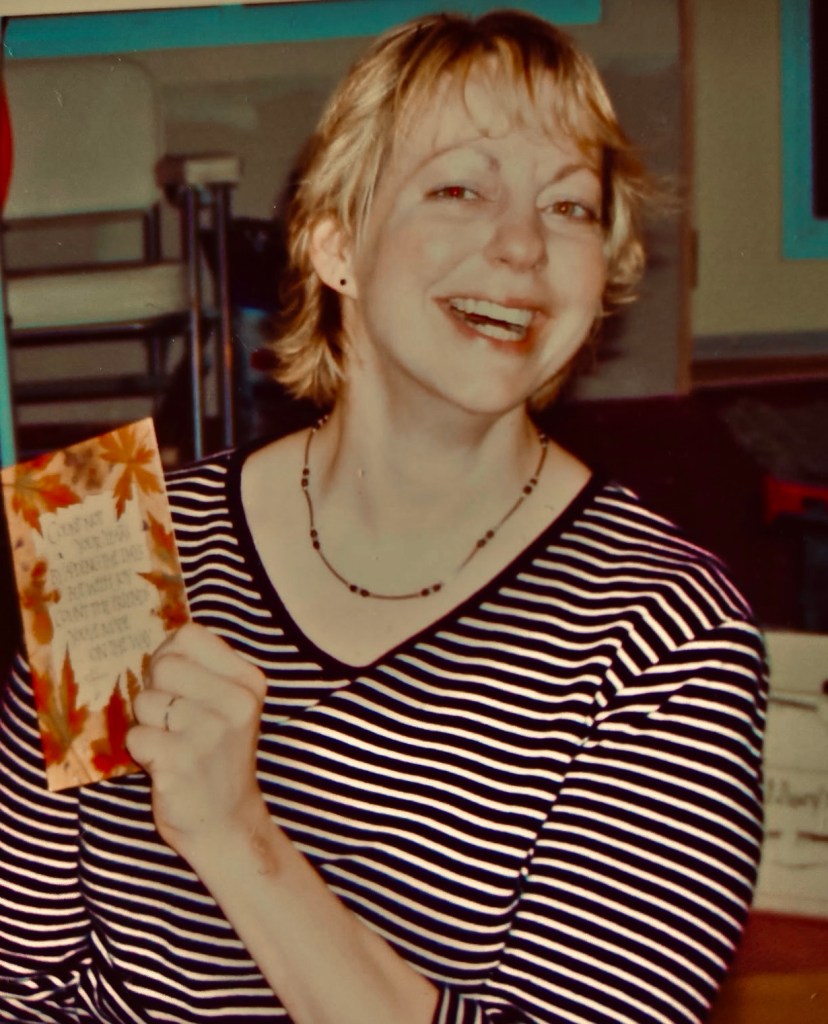
Catherine had major scoliosis surgery at the University of Michigan in 1984, and the recovery was long and difficult. For a time, she could not walk. Later, she used a walker. But she went back to Siena and finished what she started. And when she walked across the stage, propelled by her walker, to receive her diploma, I was there to hood my own sister. I do not think I fully understood then how much courage that walk required, but I do now.
As you all know, Catherine was particular. Everything had to be orderly. Her clothes, jewelry, and even undergarments all had to match. As she grew more limited by FA, that need for order increased. There were lists. So many lists. We often joked about them, though I am not sure Catherine thought it was funny.
I understand those lists differently now. They were not just “picky Catherine.” They were about independence. They were about dignity. They were about holding onto some control over her own life when nearly everything else depended on others.
Even near the end, Catherine tried to keep life as normal as possible. On April 18, an Amazon order arrived at the facility with body lotion, anti-wrinkle night cream, summer shirts, and more jewelry. A week later, during one of my last visits with her, her Walmart grocery order was delivered.
It was the desire to be normal, to have choices, to have nice things. And maybe it was also hope — one more day, one more season, a little more time.
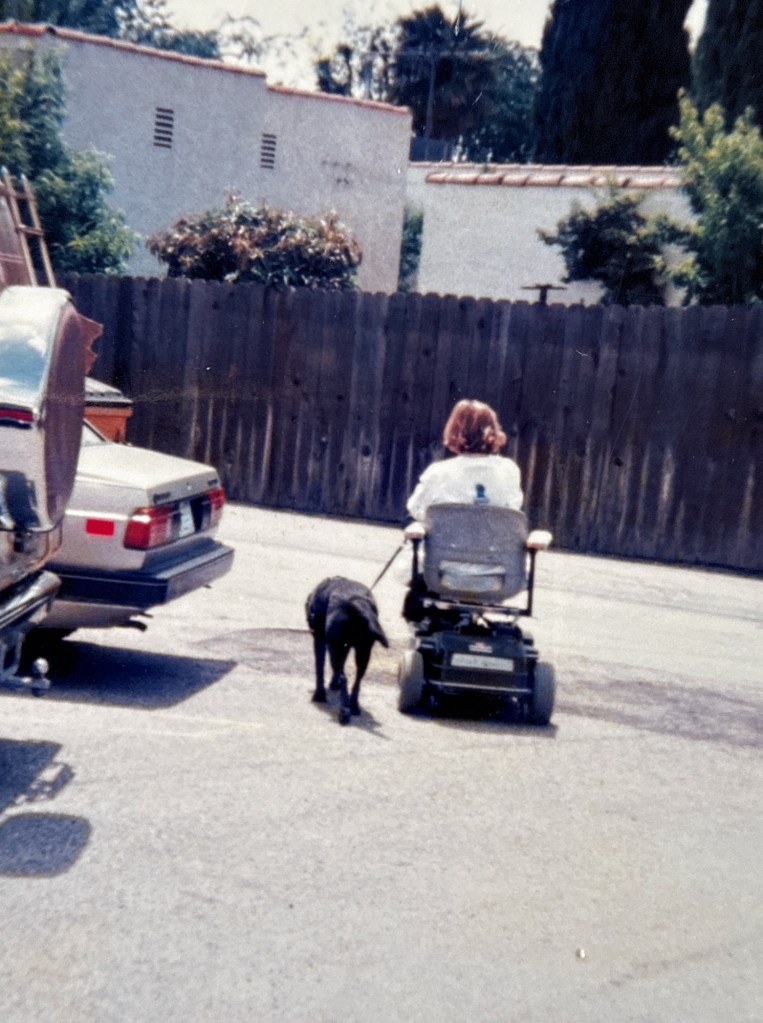
When I think of my sister, I will remember the way she fought. I will remember the lists, the matching outfits, the orders, the appointments, and her stubborn insistence that she would steer her own wheelchair, even as it crawled at a snail’s pace down any given hallway.
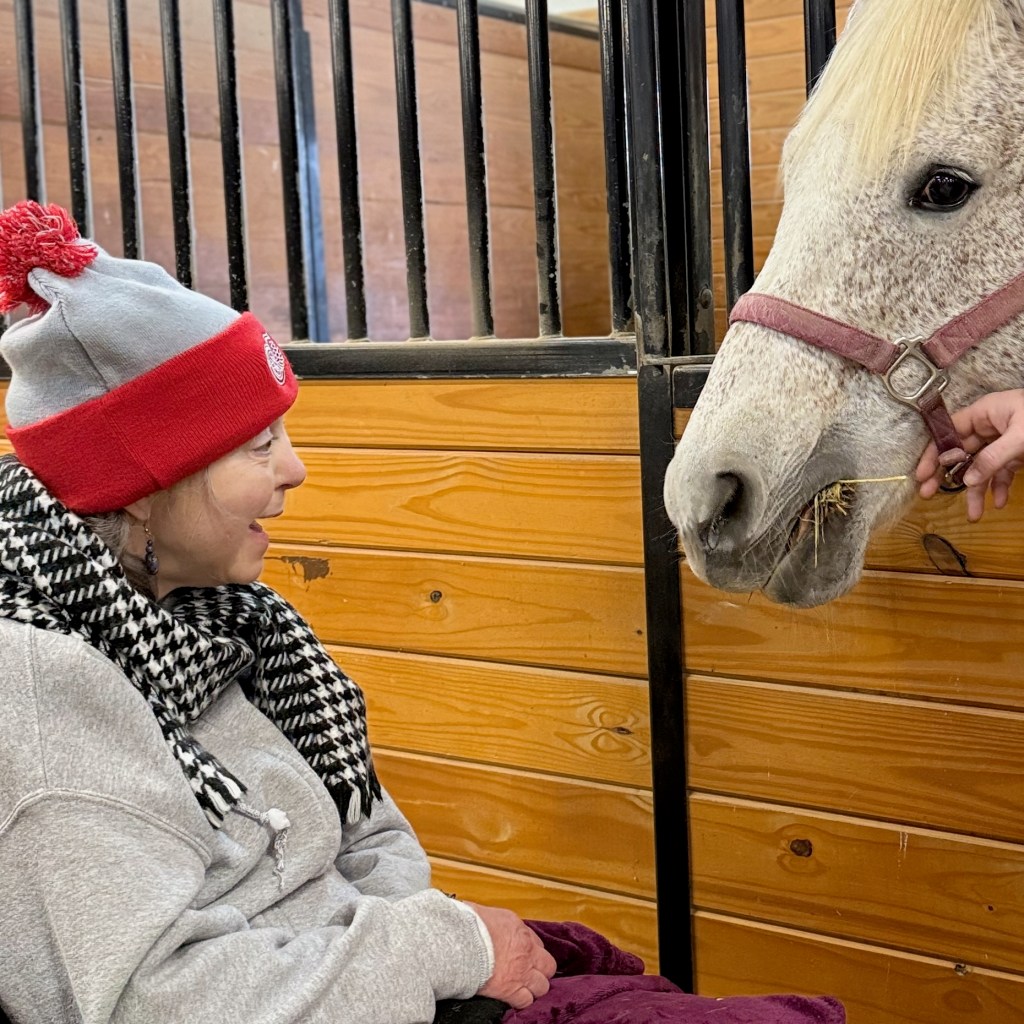
And I will remember the softer moments, too — including the day last December at the therapeutic riding horse barn, when there was peace around her, and gentleness, and joy.
Catherine’s life was not only struggle. It was also love. It was also humor. It was also beauty. It was also the fierce and stubborn desire to remain herself.
A couple of weeks ago, when we found Catherine’s funeral plan, one of the songs she had chosen was “Belovedness” by Sarah Kroger. I had never heard it before. But when I listened to it, I understood why it had spoken to her. It speaks to the deep struggles Catherine carried, but also to the struggles all of us carry — the wounds, doubts, fears and burdens that can make us forget who we are in God’s eyes.
In choosing that song, Catherine left us one more message: that beneath the struggle, beneath the illness, beneath all the things her body could no longer do, she was still beloved.
And so are we.
In her funeral planning, Catherine had asked that a letter be read today, but I could not find it. So I wrote down some thoughts instead — not as a replacement for her words, but as a way of honoring the Catherine we knew: the sister who sometimes vexed us, often made us laugh, and always made us proud.
She made us proud with her accomplishments, her faith, and her determination to remain herself despite her relentless battle with her body.
Catherine left us many letters: in her diary entries, her emails, her lists, her orders, her appointments, her humor, and her insistence on living her life as she wanted.
Put together, they say:
I was here.
I lived.
I loved.
I fought.
And I did not go gentle.


I only knew Kate a few weeks, but you can learn so much about a person and their family in that time. I found out many of us went to the same college/university, Siena heights. I was a senior during Renee’s freshman year. I watched as she and her sister Christine came every weekend to coordinate her outfits for the week. I was drawn into this family that showed devotion, faith and love in equal measure. When it was apparent Catherine was ready to go home, various relatives and friends filled her room, with stories, songs, remembrances and prayer. I was privileged to be present for a portion of this journey