
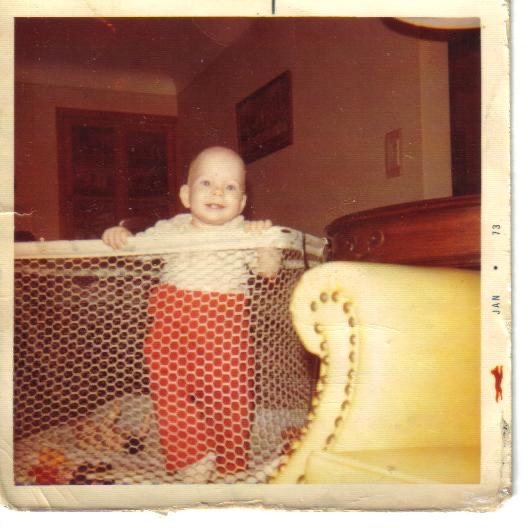
My 53-year-old brother Rich Lapham died September 13, 2025, and our family will never be the same. He was the first boy after six girls, born when my dad was 52 and my mother 44. Family lore says Dad nearly fainted when the doctor came out of the delivery room and announced, “Herb, it’s a boy!”
I was 14 at the time, and Rich felt like my first baby. His babyhood became a part of my teenage years—feeding him, carrying him, playing with him. We were all so proud to have a baby brother. When I went away to college, my younger sisters stepped into that role, and later, when our youngest brother John was born in 1977, the family dynamic shifted yet again. Looking back, those layers of memory feel like threads in a long, complicated tapestry, each of us weaving our piece around Rich.
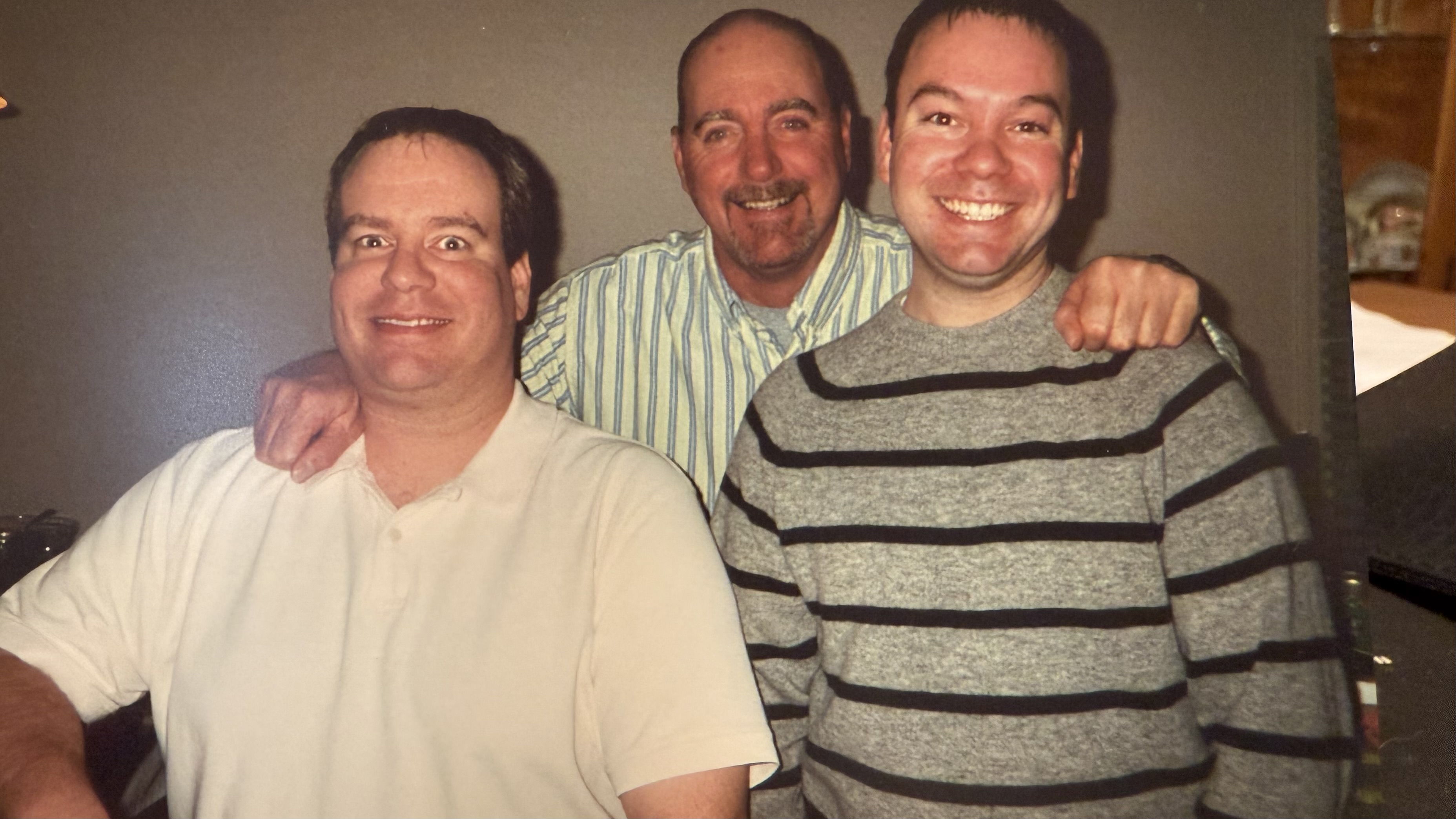
Rich died from complications of diabetes. He lived a quiet life, but one filled with the things he loved: NASCAR, Detroit and Michigan sports, and classic rock, which he enjoyed since his teen years. He wasn’t one for the spotlight, but he was always there at Christmases, weddings, graduations, and funerals—a steady, gentle presence who mattered more than he ever knew.

This past week, I was remembering a particular story that Jeff Baker told me about Rich a couple of years ago. Jeff, who works at the east side Perky Pantry, coached Rich’s youth baseball team in Tecumseh. That summer, Rich played for Wolf and Curtiss, D.D.S. Jeff remembered the day Rich was struck in the head by a line drive. Jeff said he panicked for a moment, until my dad jogged out, looked Rich over, and declared, “He’s fine.” And then the game went on. That was Rich– carrying on without fuss.
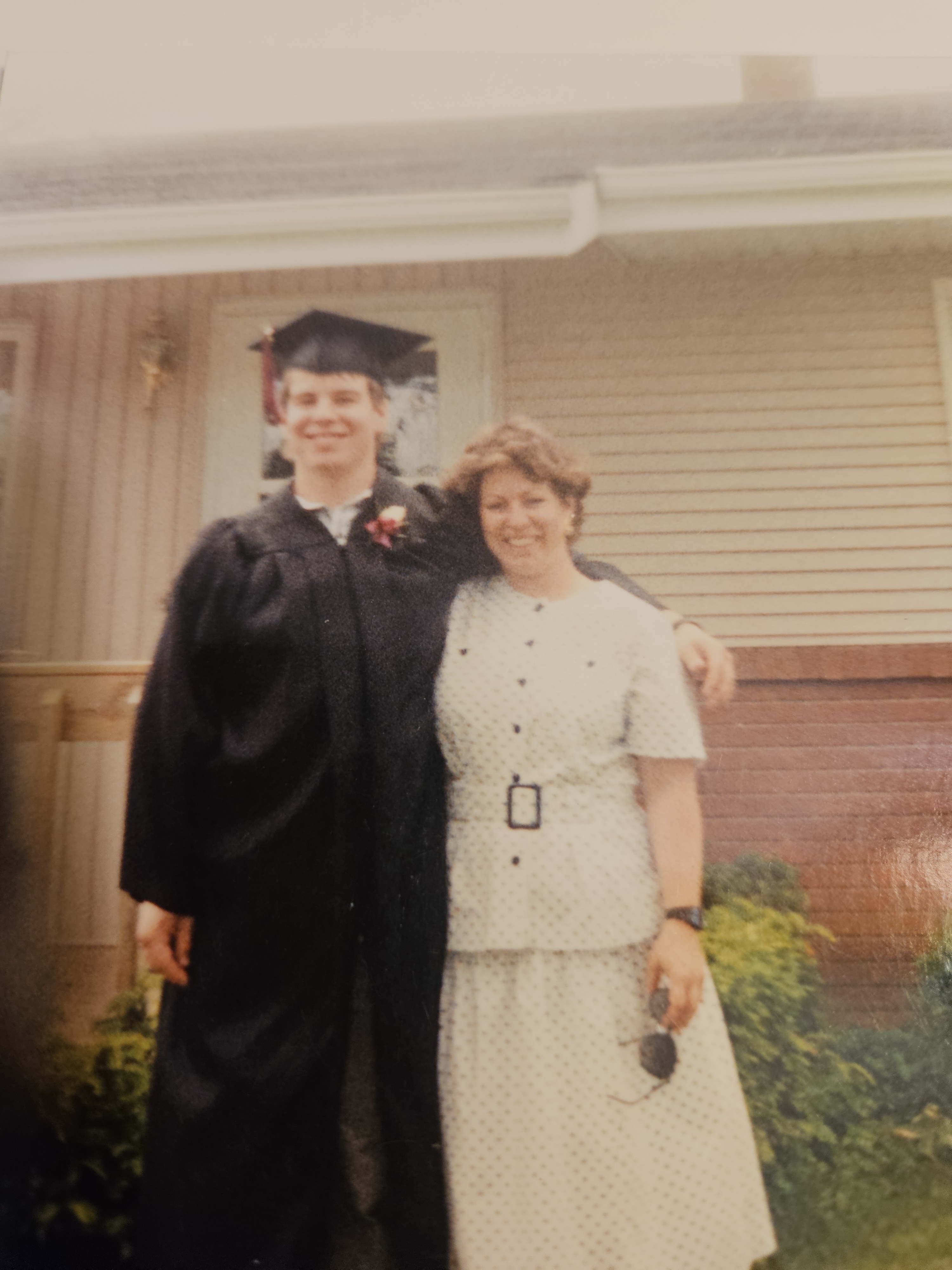
He grew up in the Gove Court neighborhood, riding bikes with his friends, hanging out in the way kids did before cell phones and TikTok. He graduated from Tecumseh High School in 1990, went into logistics with Rush Trucking and later Ryder Corporation, and eventually worked from home after COVID. It suited him. He liked a quiet rhythm, and he loved being “Uncle Rich” to his nieces and nephews.
But woven through his life was a struggle we all know too well: diabetes. My father’s generation called it “the sugar” and my father developed it when he was in his early 40s. It shortened his life, too. Many of the rest of us in our family live with it, myself included. Diabetes is not just a matter of watching sugar or skipping dessert. It’s a relentless condition where the body cannot properly manage blood sugar—either by not making enough insulin or by resisting the insulin it produces. The damage happens quietly, over years, until complications erupt.
The numbers are staggering: 37 million Americans live with diabetes, and another 96 million have prediabetes—many without knowing it. Nearly half of us are living with the disease or standing at its door. There’s no cure, but there are ways to fight back: monitoring blood sugar, taking medications, eating well, staying active, getting the right checkups. Those daily choices matter. They’re the difference between control and complication, between living and losing.
Rich didn’t live loudly. He didn’t need to. He lived in ways that mattered—to his friends, to his nieces and nephews, to us—and his absence leaves a silence that feels impossibly large. His death is also a sobering reminder that diabetes is not a simple condition; it is serious, relentless, and too often underestimated. I hope Rich’s story encourages others to take their health more seriously, to get tested, to pay attention, and to recognize the quiet but persistent danger of this disease. For me, though, beyond any lesson his loss might offer, he will always be my first baby brother—the quiet soul who never asked for attention but gave us so much simply by being there.
 SQUIBS