
Back in June 2004, country star Tim McGraw released “Live Like You Were Dying,” which even now causes me to tear up. Over the last 18 years, that piece hasn’t lost its power–perhaps because the lyrics rise above standard country fare to the realm of the profound.
It begs the question of how one should go about living like they are dying.
I might venture a response.
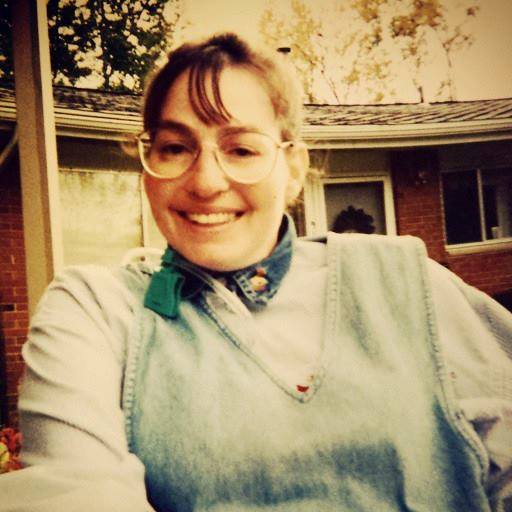
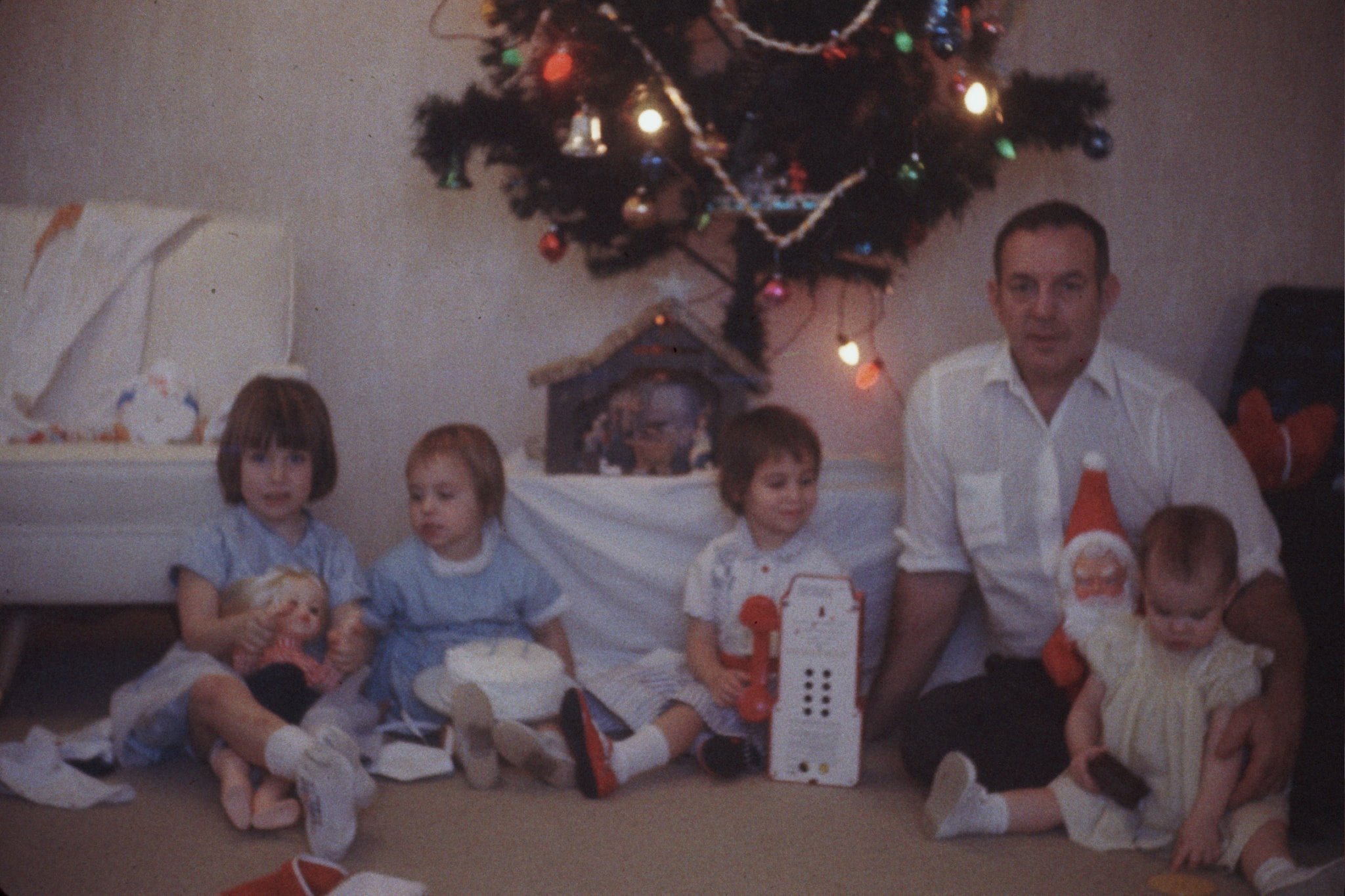
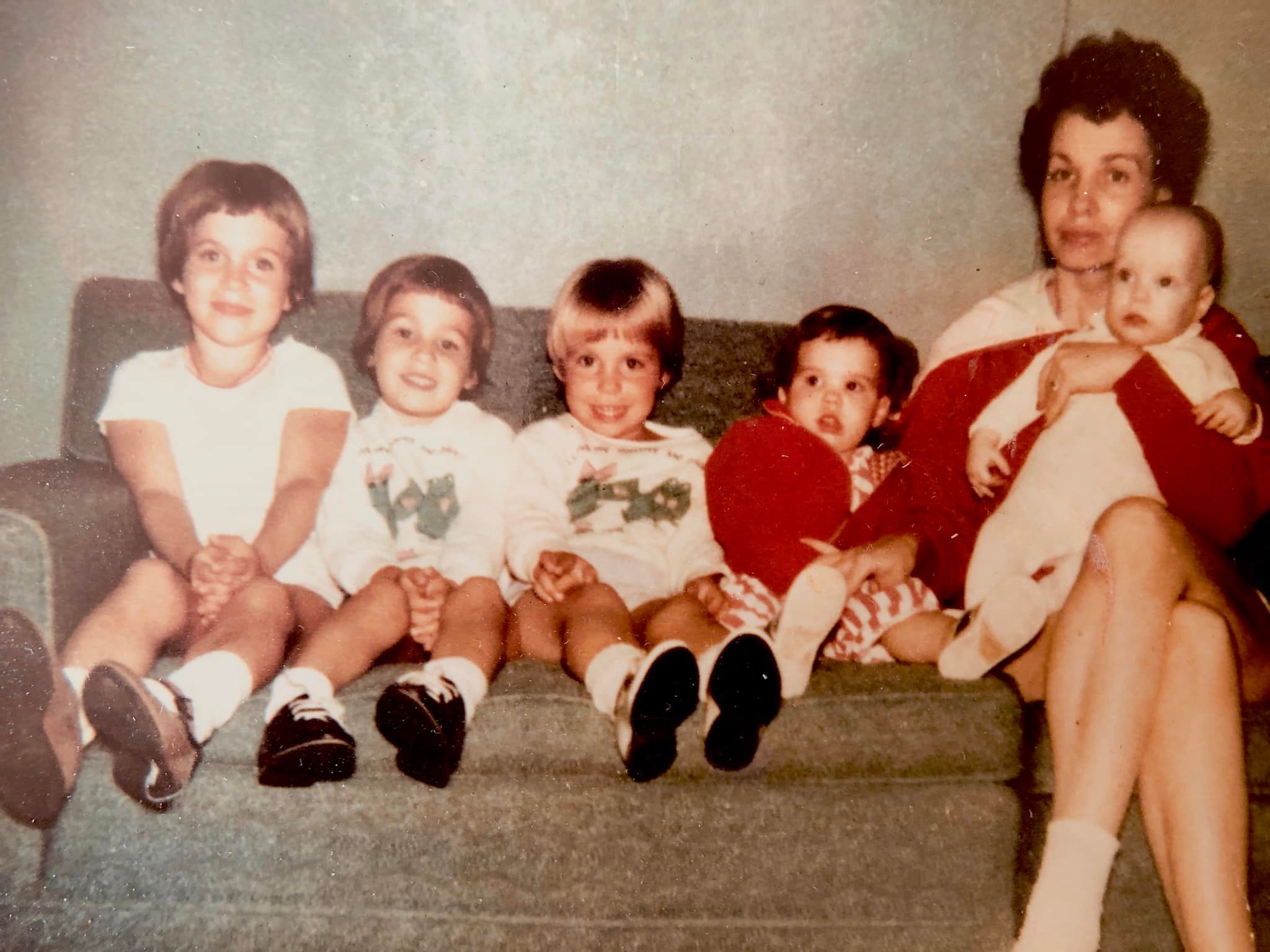
My sister Carol Lapham, THS Class of 1978, suffered most of her 42 years on earth with Friedreich’s ataxia, a rare, inherited, degenerative neurological disease. I have written extensively about it in this column in the past so I won’t go into a lot of detail here. The disease damages the spinal cord, peripheral nerves, and the cerebellum portion of the brain. My sister endured the complications of this disease almost as far back as I can remember, spending 25 years in a wheelchair, completely dependent on others to meet her most basic needs. She died from congestive heart failure Dec. 19, 2002.
But not before she lived like she was dying.
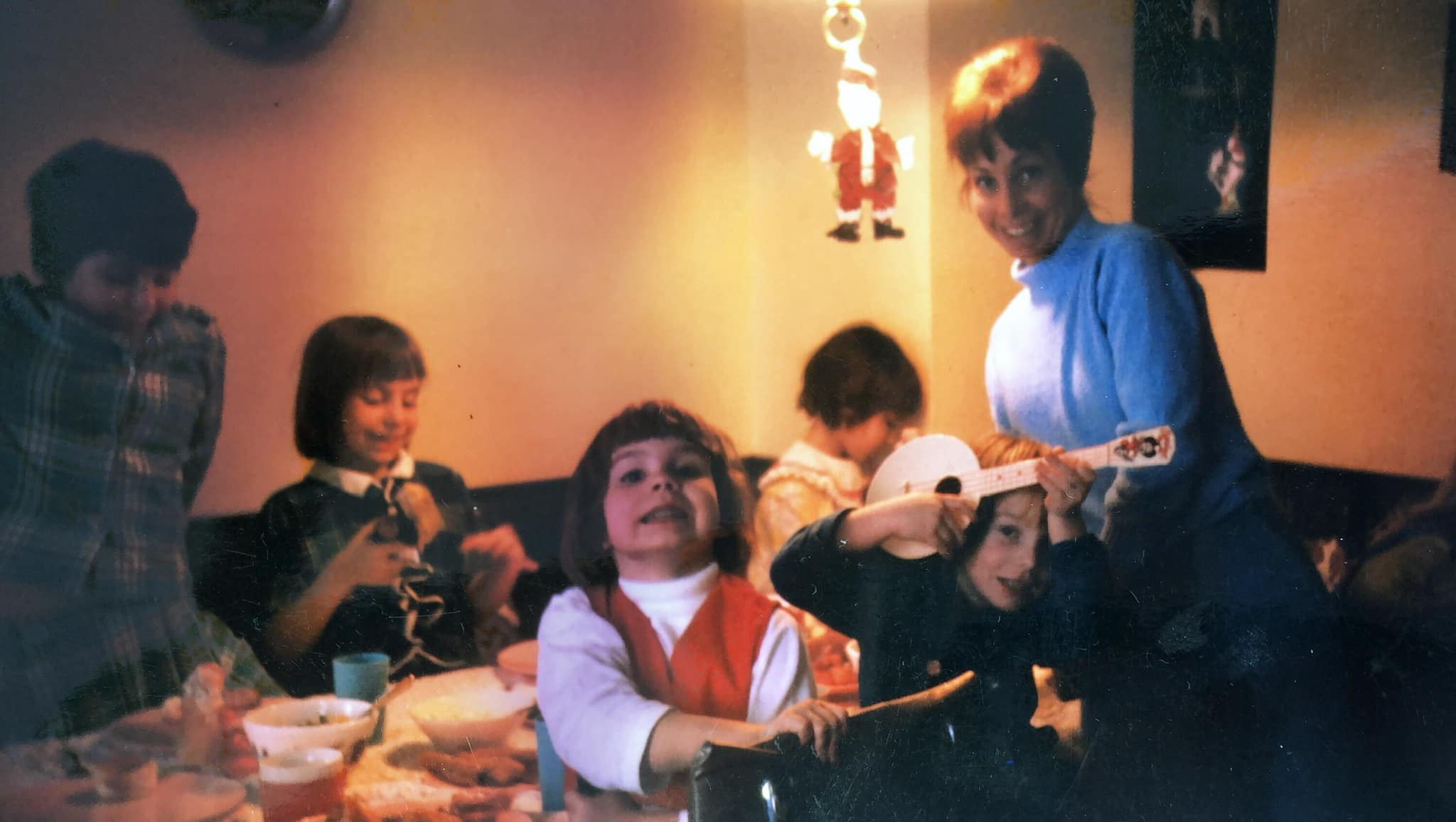
In March 2002, medical professionals were certain it would be “days, perhaps hours” before she drew her final breath. That Easter, we all gathered at another sibling’s house for a big Easter celebration. We hid eggs, had Easter baskets for all six of the grandkids–including my sister’s twin daughters who were 9 years old at the time–took photos, and generally had a big family celebration.
A few weeks passed and Carol was still with us. My sister was not about to be told she was dying when she wasn’t ready to leave. In May, she had deteriorated enough that we thought perhaps she should go to the Arbor Hospice residence. She agreed.
I drove her there on a warm May evening in my Mustang convertible, the top down, the night breeze ruffling her hair, her wheelchair standing up in the backseat.
“What if I don’t die?” she asked me.
“Then I guess you’ll just go back home,” I replied.
All seven brothers and sisters were on alert about Carol’s grave condition. A week before going to the hospice residence, she received a big bouquet of flowers with a card signed, “Love, God.” Dozens of cards and letters showed up at her house. Most of them started out, “You don’t know me” or “You don’t know us,” then went on to explain who they were and why they were sending these cards and letters. It seems another sister, Catherine, who lived in St. Louis at the time, had attended a church retreat organized by her home parish. She told them about her brave sister and how much she was struggling and suffering and that she was dying. (Catherine also suffers with Friedreich’s ataxia and now lives in a long-term care facility in Saline.)
Those last few years Carol was alive, she was unable to open a letter, hold a pen, hold a fork or type an email because her fingers no longer functioned. They curled, useless into her palms. So it was left to me to open each and every letter and hold it so she could read it. I still remember the expression of pure joy on her face as she read all of the kind things complete strangers were sending to her. She just smiled and smiled–she had a beautiful smile–as she saw what people had written. She was so pleased. The cards came for days afterwards.
These random acts of kindness touched my heart in the same way McGraw’s song does, especially this particular stanza, ” Like tomorrow was a gift/And you’ve got eternity/To think about/What you’d do with it/What could you do with it/What did I do with it?/What would I do with it?”
But the story didn’t end with the cards and bouquets. Carol was probably the first person ever to physically improve with the care she received at Arbor Hospice. She checked herself out in September–“You think I’m dying, but I’m not”–and went back to her rental house on the west side of Ann Arbor, called a couple of people she knew to come and help her and lived out the rest of her days in her “happy place.”
In my sister’s short life, I find the answer to how one lives as if they are dying. Carol lived every day like it was her last one on earth, smiling from her wheelchair, proud of her daughters, content with her life.
That last year with her, I lived that way, too.

 SQUIBS