
The dog days of summer are here.
According to the astronomical calendar, the “dog days” occur when the dog star, a.k.a. Sirius, and the sun occupy the same part of the sky, which is July 3 to Aug. 11. The Farmer’s Almanac explains, “During the Dog Days period, the Sun occupies the same region of the sky as Sirius, the brightest star visible from any part of Earth. Sirius is part of the constellation Canis Major, the Greater Dog.”
Apparently in ancient times, the people of the known civilized world saw the brightest star rising at the same time as the sun and thought it made the days hotter. Over millennia, the “dog days of summer” became part of our lingua franca. Of course, we know the days are actually hotter because it’s the closest we get to the sun in the Northern Hemisphere, but we have all manner of science to explain that to us in 2022. I can’t imagine what ancient Romans made of their world, even though I have seen the remains of their civilization and not too long ago. I imagine in another 2,000 years, someone will look back at us, and shake their collective heads at our ignorance.
I actually learned all of this when I was trying to write a lead for a story in this week’s paper. The term kept coming up as I wrote and re-wrote the first graf. I remembered back in my previous newspaper career at The Saline Reporter, we would wear that phrase out every summer, with stories on everything from pet parades at the fair to sidewalk sales.
So when I googled “dog days of summer,” I was directed to the Farmer’s Almanac, which is an excellent resource for just about everything. According to the venerable publication, on July 23 specifically, Sirius “is in conjunction with the Sun, and because the star is so bright, the ancient Romans believed it actually gave off heat and added to the sun’s warmth,” causing six weeks of steamy weather. So the Romans called it diēs caniculārēs, or “dog days.” The actual days encompass the 20 days before and the 20 days after this alignment of Sirius with the Sun, roughly July 3 to August 11 each year.
Of course, climate change also contributes to these sweltering weeks. These last couple of weeks seem so much hotter than I remember even 30 years ago, when we’d be sitting in our Saline office, banging away on old typewriters, sweat dripping all over our copy, fans blowing the air around without really cooling it. In fact, for many years, the owner of the newspaper would get window air conditioners from garage sales, have one of the press men stick them in the windows, then plug them in. The old electrical system would become overloaded, all the power would go out, and someone would have to go flip the breaker. In 1988, the owner decided to break down and get central air installed, but there was a terrible drought that year and the local heating and cooling company couldn’t do the job until fall.
But, back to the almanac. In addition to some cool facts about the weather, dog stars, constellations, and Mother Earth, the almanac also includes a host of information on how to stay cool during these “dog days.” Staying in the A/C would be my top choice, but if you like the outdoors, you can swim at the Pit, the Pool, or any of the local lakes in our area. Or you can go out to Russell Road and check out the Splash Pad, which appears to be doing a land office business these days. Besides drinking plenty of water, the almanac lists several foods that actually cool you down, including citrus, radishes, cucumbers, lemon balm, mushrooms, lettuce, and mint. And if you don’t want to eat the cucumbers, you can rub them on your face since it takes longer to evaporate in the heat.
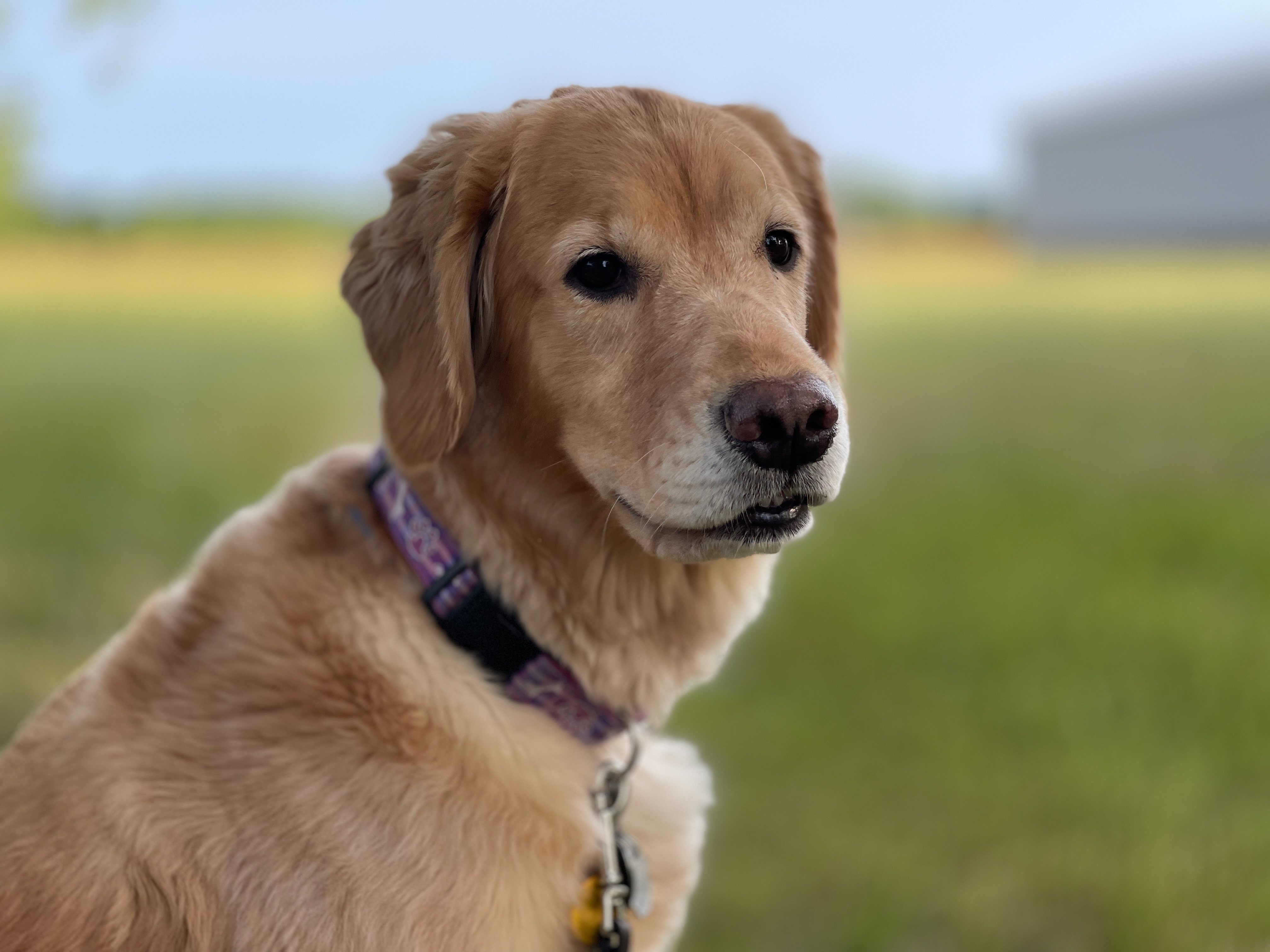
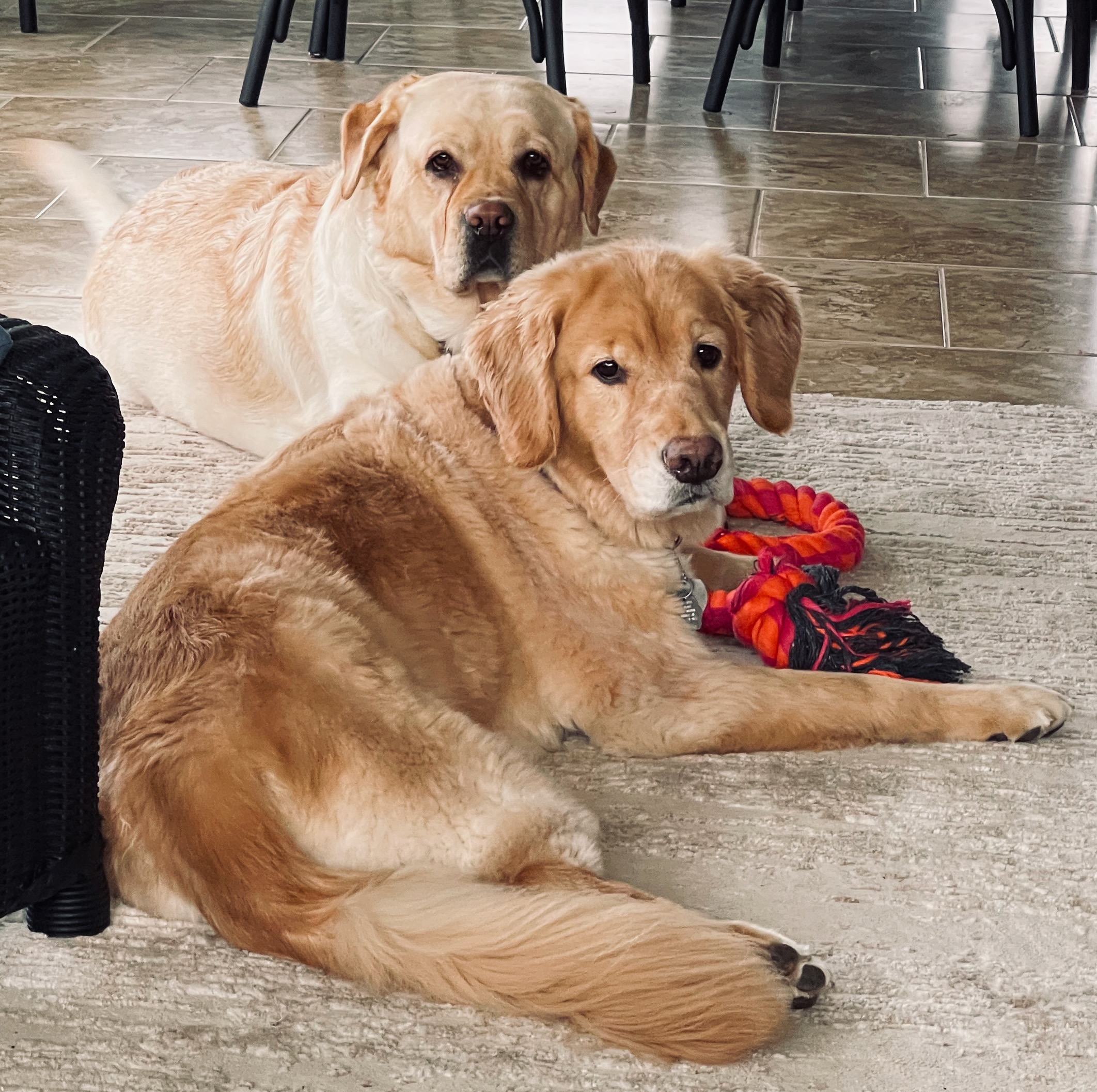
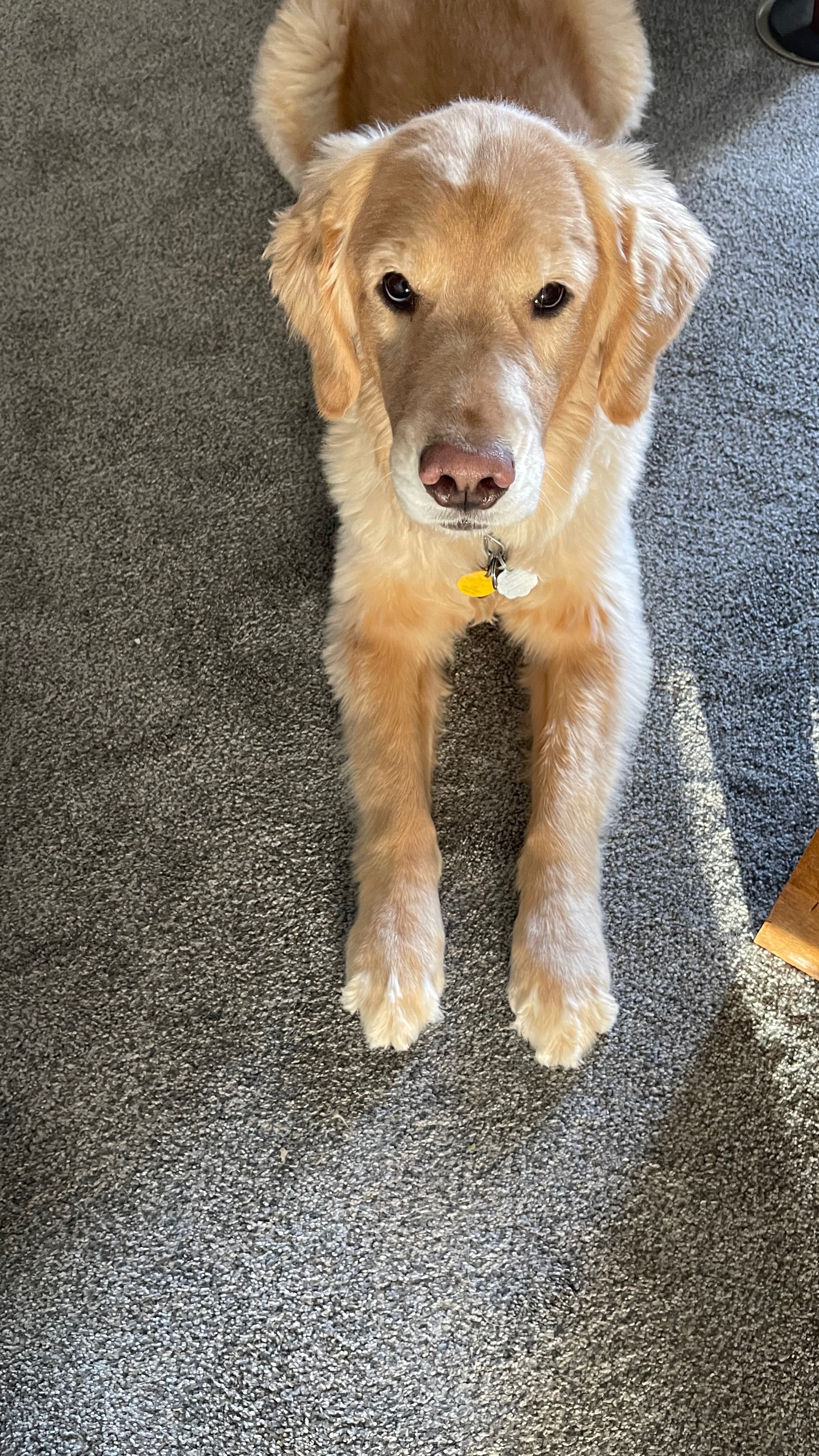
Most importantly, in these dog days of summer, don’t forget about your canine companions. Make sure they are cool, have plenty of water and shade, and a spot on the blanket in the evening hours to look for Canis Major and its dog star.
 SQUIBS